When embarking on the exciting journey of creating or revamping your food blog, the theme you choose is far more than just a superficial design element. It’s the digital storefront of your culinary brand, the first impression your readers receive, and a crucial ingredient for long-term success. But with countless options available, how do you find the perfect food blog theme that truly reflects your vision and captivates your audience? This comprehensive guide will provide you with all the essential tips and considerations to help you select a theme that not only looks stunning but also performs exceptionally.
Understanding Your Theme: More Than Just Aesthetics
Your food blog theme is the visual embodiment of your brand. It communicates your blog’s personality, mood, and professionalism to your readers long before they even delve into your delicious recipes and compelling articles. Think of it as your blog’s non-verbal language. The colors you choose, the typography you employ, and the overall page layouts coalesce to form a distinct brand identity. A thoughtfully selected theme ensures that every visual element aligns with the qualities and atmosphere you want your blog to convey, creating an immediate and lasting connection with your audience. It defines the user experience, making navigation intuitive, content engaging, and overall interaction a pleasure rather than a chore.
Navigating the Theme Selection Process: Key Considerations
The digital landscape is teeming with options – from thousands of free themes to sophisticated premium offerings, and even the possibility of developing a bespoke custom theme from scratch. This abundance can be both exhilarating, knowing your perfect theme exists, and overwhelming, with the challenge of finding it. To simplify this critical decision, let’s explore the fundamental aspects you should meticulously consider on the front-end. By evaluating these factors, you can significantly narrow down your choices and invest in a theme that truly serves your blog’s unique needs and aspirations.
Prioritizing Essential Features for an Engaging User Experience
A successful food blog isn’t just about beautiful pictures; it’s about functionality that serves your readers. When evaluating themes, focus on features that genuinely benefit your audience without creating clutter. Essential functionalities for a food blog often include:
- Integrated Recipe Cards with Schema Markup: Absolutely crucial for food bloggers. These cards not only make your recipes easy for readers to follow but also provide structured data that search engines can understand, leading to rich snippets in search results (e.g., star ratings, cook time).
- Robust Search Functionality: As your recipe library grows, an efficient search bar becomes indispensable for readers to find specific dishes quickly.
- Social Sharing Buttons: Make it effortless for readers to share your recipes across their favorite social media platforms, extending your reach organically.
- Email Subscription Forms: Integrate seamlessly with popular email marketing services to help you build your audience and directly engage with loyal followers.
- Featured Post Areas: Highlight your most popular recipes, seasonal dishes, or new content to keep readers engaged and exploring your site.
- Optimized Ad Placement Spots: If monetization through advertising is part of your strategy, ensure the theme offers natural, non-intrusive areas for ad integration without disrupting the user experience.
While features are important, resist the temptation to overdo it. Too many functionalities can bog down your site, leading to slow loading times and a confusing, less user-friendly experience. Remember, the overall user journey on your blog is paramount to its success and plays a significant role in reader retention and satisfaction.
Crafting Visual Appeal: Colors, Typography, and Design Harmony
Visual appeal is critical for any blog, but especially for a food blog where imagery and presentation are everything. The aesthetics of your theme should instantly captivate your audience and accurately reflect your brand’s personality. Consider these elements carefully:
- Color Palette: Your chosen colors should complement your brand and evoke the desired mood. Warm colors might suggest comfort and deliciousness, while cool tones could imply freshness or sophistication. Ensure color combinations are harmonious and avoid jarring contrasts that could deter readers.
- Typography: Fonts play a dual role – they must be highly readable and also convey personality. Choose easy-to-read fonts for body text and perhaps a more distinctive font for headings, ensuring they are legible across all devices. Avoid using too many different fonts, which can make your site look unprofessional and cluttered.
- White Space: Often overlooked, adequate white space (or negative space) is crucial for readability and creating a clean, modern aesthetic. It allows your content and images to breathe, preventing an overwhelming visual experience.
- High-Quality Imagery Integration: Food blogs thrive on stunning food photography. Your theme should be designed to showcase these images beautifully, with options for galleries, full-width hero shots, and image optimization without sacrificing speed.
Ultimately, your visual presentation should invite readers in and make them want to stay, explore, and return. If visitors struggle to read your posts or find the design unappealing, they are likely to leave and may not come back.
The Lifespan of Your Theme: Importance of Regular Maintenance and Updates
Just like software applications on your phone or computer, website themes require ongoing maintenance and updates to remain secure, functional, and compatible with evolving web standards. A well-maintained theme is a vital investment in your blog’s longevity. If a theme isn’t actively updated by its developers, it can quickly become obsolete, posing several risks:
- Security Vulnerabilities: Outdated themes are prime targets for hackers, potentially compromising your site and user data.
- Compatibility Issues: As WordPress core and plugins evolve, an unmaintained theme might break, causing display errors or functionality loss.
- Performance Degradation: Newer web technologies and best practices for speed and efficiency are often integrated into updated themes.
- Lack of Support: If you encounter issues, an inactive developer team means no support, leaving you to troubleshoot problems on your own.
Prioritize themes from reputable developers known for regular updates and excellent support. This foresight can save you significant headaches and the expense of having to migrate to an entirely new theme down the line.
Seamless Experience Across All Devices: The Power of Responsive Design
In today’s mobile-first world, a responsive design is not merely a luxury; it’s an absolute necessity. With a significant portion of internet users browsing from smartphones and tablets, your food blog theme must deliver an equally stellar experience across all screen sizes. Google’s mobile-first indexing strategy further underscores this importance, as search engine rankings can be negatively impacted if your site isn’t mobile-friendly.
A responsive theme dynamically adjusts its layout, images, and content to fit the user’s device, ensuring optimal readability and navigation whether they’re on a desktop monitor, a tablet, or a small smartphone screen. When evaluating themes, always test how they render on various devices. Look for themes that prioritize:
- Flexible Grids and Layouts: Content should reflow gracefully.
- Optimized Images: Images should scale without losing quality or slowing down page load times.
- Touch-Friendly Navigation: Menus and buttons should be easy to tap on smaller screens.
Even if you anticipate a higher percentage of desktop users, neglecting mobile users means alienating a vast potential audience and compromising your blog’s search engine visibility.
SEO-Friendly Foundations: Building for Discoverability
For a food blog to truly thrive, it needs to be easily discoverable by search engines. Your theme plays a crucial, often underestimated, role in your overall SEO strategy. An SEO-friendly theme is built with clean, semantic code that makes it easy for search engine crawlers to understand and index your content. Key SEO aspects to look for in a theme include:
- Clean Code Structure: Well-coded themes are faster and easier for search engines to process, contributing to better rankings.
- Fast Loading Speeds: Page speed is a critical ranking factor and essential for user experience. A lightweight, optimized theme avoids bloated code and unnecessary scripts that can slow down your site.
- Proper Heading Structure (H1, H2, H3): Ensures your content is logically organized, making it both reader-friendly and search engine-friendly.
- Schema Markup Integration: Especially for recipes, this structured data helps search engines display rich snippets (ratings, prep time, ingredients) directly in search results, significantly boosting click-through rates.
- XML Sitemap Generation: While often handled by plugins, a theme that works well with SEO plugins for sitemap generation is a plus.
Choosing a theme designed with SEO best practices in mind provides a powerful advantage, helping your delicious recipes rank higher and reach a wider audience.
Scalability for Growth: Future-Proofing Your Food Blog
As your food blog grows, your needs will evolve. A robust theme should be scalable, meaning it can adapt and expand with your content and aspirations without requiring a complete overhaul. Consider if the theme can:
- Accommodate New Content Types: Will it support adding video recipes, e-cookbooks, or a shop section easily?
- Handle Increased Traffic: Is it optimized to perform well even with a high volume of visitors?
- Integrate New Plugins: A flexible theme should allow seamless integration with various WordPress plugins for added functionality (e.g., e-commerce, forums, advanced galleries) without conflicts.
- Allow for Future Customization: While you might not need it now, the option for more in-depth customization down the road ensures your blog can continue to evolve visually and functionally.
Investing in a scalable theme from the outset is a smart long-term strategy, saving you time and potential migration headaches as your blog flourishes.
Support and Documentation: Your Lifeline When Things Go Wrong
Even the most experienced bloggers can encounter technical issues. This is where the quality of theme support and documentation becomes invaluable. Before purchasing a premium theme or committing to a free one, investigate the level of support offered:
- Dedicated Support Channel: Is there a ticket system, forum, or email support available?
- Response Time: Do developers respond to queries promptly?
- Comprehensive Documentation: Are there detailed guides, tutorials, and FAQs that explain how to set up, customize, and troubleshoot the theme?
- Active Community: A thriving user community can be a great resource for tips, tricks, and solutions to common problems.
Good support provides peace of mind, knowing that help is available if you run into difficulties or need assistance with specific customizations.
Community and Reviews: Learning from Others’ Experiences
Before making your final decision, leverage the wisdom of the crowd. User reviews and community feedback offer invaluable insights into a theme’s real-world performance, usability, and developer responsiveness. Look for:
- Positive Reviews and High Ratings: Indicate satisfaction with the theme’s design, features, and support.
- Active Forum Discussions: Suggests an engaged user base and often a responsive developer.
- Detailed Testimonials: Offer specific pros and cons experienced by other bloggers.
- Recent Updates in Reviews: Ensure the theme continues to meet user expectations over time.
Reading through reviews can help you anticipate potential challenges and confirm whether a theme lives up to its promises.
Done-For-You Solutions: Simplicity for the Busy Blogger
If the extensive list of considerations for choosing and setting up a theme feels overwhelming, or if you simply prefer to dedicate your valuable time to creating delicious content, a “Done-For-You” (DFY) solution might be your perfect recipe. These services streamline the entire process, providing a professional, ready-to-launch food blog without the technical heavy lifting.
An excellent example of such a service is CakePOP. Developed by the experienced team behind 40 Aprons, CakePOP is a comprehensive food blogging platform specifically designed to empower you for success from day one. It removes the complexities of theme selection, installation, and initial setup by offering several beautifully designed starter site options. These themes are not only visually appealing but are also incredibly easy to use, often featuring intuitive drag-and-drop interfaces that allow for simple customization without any coding knowledge. For new bloggers or those looking for a hassle-free, professional online presence, a DFY platform like CakePOP provides a powerful advantage, letting you focus on what you do best: sharing your passion for food.
Exploring Top Food Blog Themes and Resources
The term “best” is inherently subjective when it comes to blog themes. There isn’t a single magic theme that guarantees blog success; rather, the ideal theme is the one that flawlessly integrates with your blog’s unique vision, the vibe you aim to project, and the seamless experience you wish to offer your readers. Thankfully, the market abounds with beautifully designed, highly functional, and user-friendly themes. Below, we’ll highlight a few popular choices and excellent starter sites offered through CakePOP, along with a curated list of top marketplaces where you can discover the perfect WordPress food blog theme for your culinary adventure.
Featured Premium Themes: Tried and Tested Favorites
These themes are widely recognized for their clean design, robust functionality, and suitability for food bloggers:
-
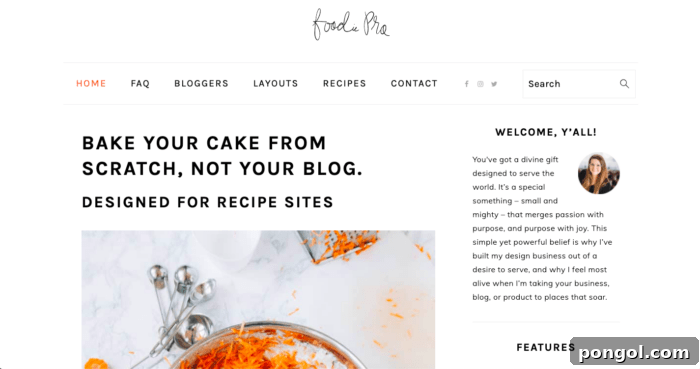
Foodie Pro from Feast Design Co.
Foodie Pro is a minimalist, elegant, and highly flexible theme built on the powerful Genesis Framework. It’s beloved by food bloggers for its clean lines, ample white space that makes food photography pop, and excellent recipe card integration. Its focus on readability and speed makes it a fantastic choice for professional food bloggers aiming for a timeless aesthetic and strong performance.

-
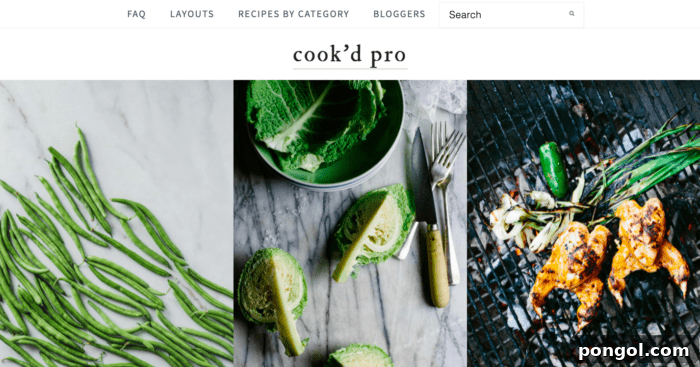
Cook’d Pro from Feast Design Co.
Another gem from Feast Design Co., Cook’d Pro offers a slightly different take with a modern, inviting design that still prioritizes speed and readability. It’s also built on the Genesis Framework, ensuring a solid foundation. This theme is known for its versatility in displaying featured content and integrating seamlessly with essential food blogging plugins. It’s actually the theme currently in use on our sister site, Easy Healthy Recipes, showcasing its practical application and effectiveness.
-
CakePOP Starter Sites
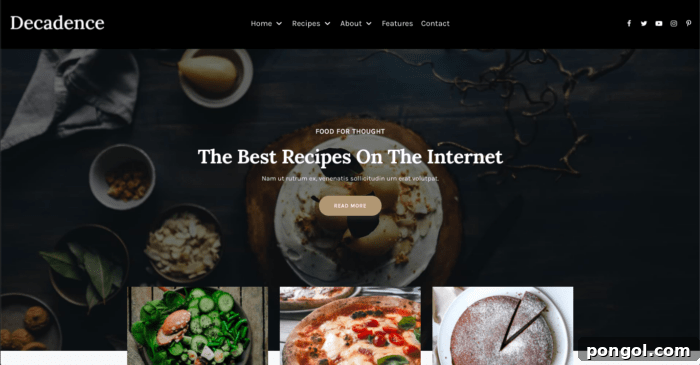
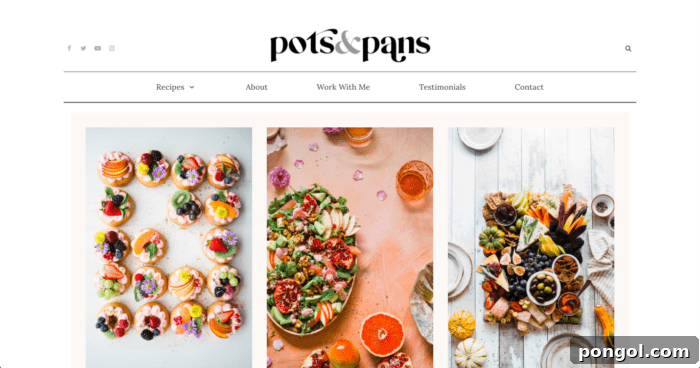
For those seeking a more hands-off approach, CakePOP offers a selection of beautifully pre-designed starter sites that are ready to go with minimal setup. These themes are part of the Done-For-You platform and are optimized for ease of use and food blogging specific features, allowing you to quickly launch a professional-looking site. Some notable starter sites include:
- Lemons & Lime from CakePOP
- Decadence from CakePOP
- Pots & Pans from CakePOP
Where to Find Your Perfect Theme: Top Marketplaces
Beyond specific recommendations, various marketplaces offer an expansive range of themes. Exploring these platforms can help you discover a theme that perfectly matches your specific aesthetic and functional requirements:
- Food Blog Themes on ThemeForest: A colossal marketplace offering thousands of premium WordPress themes from various developers. You can find a wide range of styles and functionalities here, often with comprehensive support and regular updates. Filters for “food blog” or “recipe” themes help narrow down the extensive selection.
- WordPress Themes on Creative Market: Known for its unique, artisanal designs and a broad selection of creative assets beyond just themes. Creative Market themes often stand out with distinctive aesthetics and bespoke touches, perfect for bloggers looking for something a little different and handcrafted.
- Food Blog Themes on Etsy: While primarily known for handmade goods, Etsy also hosts a vibrant community of independent designers selling WordPress themes. This can be a great place to find niche designs, more affordable options, or even bespoke themes from smaller creators who offer personalized support.
- WordPress Themes from StudioPress: Home to the highly acclaimed Genesis Framework, StudioPress themes are renowned for their rock-solid security, lightning-fast performance, and excellent SEO capabilities. Many professional bloggers, including those from Feast Design Co., build their themes on Genesis, making it a reliable choice for those prioritizing a strong, developer-friendly foundation.
- WordPress Themes from WordPress.org: The official directory for free WordPress themes. While these themes generally offer less extensive features and support compared to premium options, they are a fantastic starting point for new bloggers on a tight budget. Many free themes are well-coded and actively maintained, providing a solid foundation for your blog.
Other General Food Blogging Resources
To further support your food blogging journey, here are additional resources covering various aspects of building and growing your culinary platform:
- How to Make Money with a Food Blog
- Food Blogging Resources
- Food Blogging Bootcamp
- CakePOP: Your Done-For-You Food Blogging Solution
- Blog Income Report and Traffic: August 2019
- Blog Income Report and Traffic: March 2018 + Why I Started a Food Blog VA Agency
Selecting the right food blog theme is a foundational decision that impacts every aspect of your online presence, from brand perception to user experience and search engine visibility. By carefully considering features, aesthetics, responsiveness, maintenance, and SEO, you can choose a theme that not only looks stunning but also serves as a robust and scalable platform for your culinary creativity. Invest time in this choice, and you’ll lay a strong groundwork for a delicious and successful food blog.