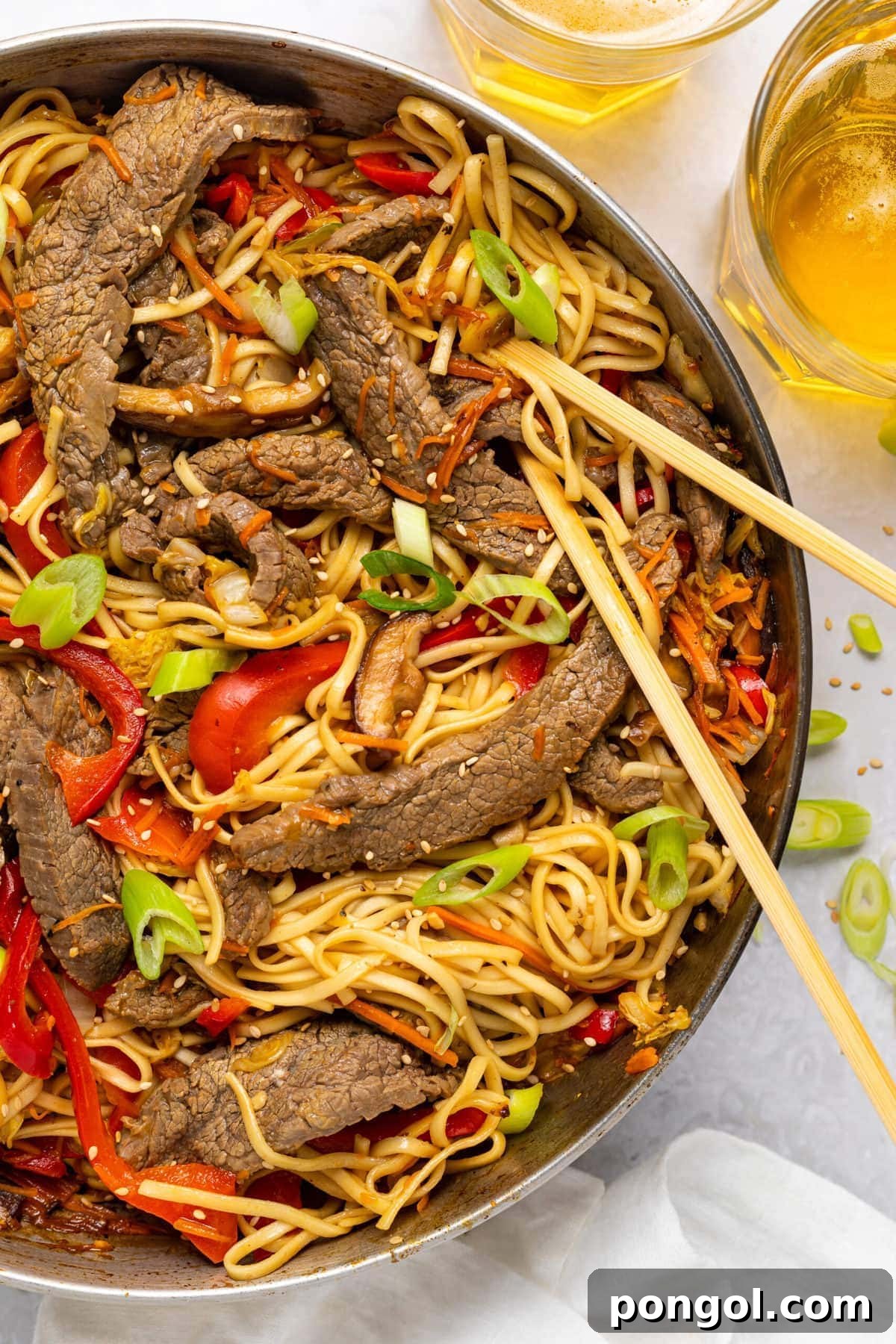
Welcome to the ultimate guide for crafting the most delicious homemade Beef Lo Mein! This iconic Chinese-inspired noodle dish is a beloved takeout classic, cherished for its tender strips of beef, vibrant array of crisp-tender vegetables, and an irresistibly savory sauce that coats every single strand of noodle. Forget waiting for delivery – with this recipe, you can whip up a restaurant-quality meal in the comfort of your own kitchen, often faster than it takes for your order to arrive. This Beef Lo Mein is not just another meal; it’s a culinary experience that brings together diverse textures and rich flavors, making it a guaranteed family favorite.
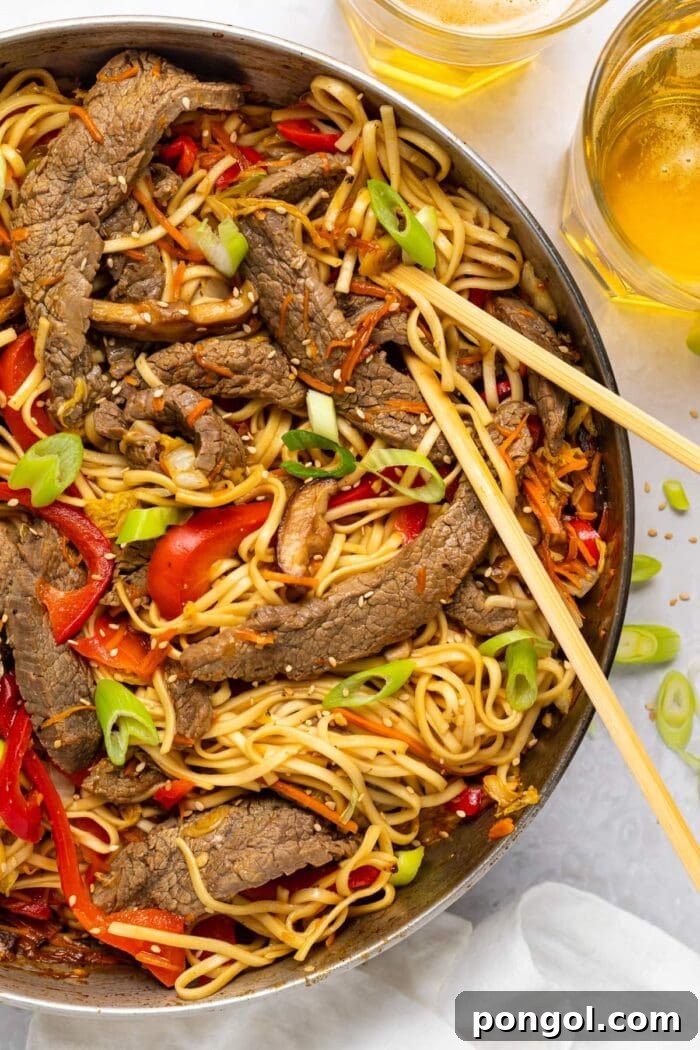
The Ultimate Homemade Beef Lo Mein: A Restaurant-Quality Dish in Minutes
If you’re searching for a quick, flavorful, and satisfying weeknight dinner, look no further than this incredible Beef Lo Mein recipe. It perfectly balances savory, umami notes with fresh, crunchy textures, all brought together by perfectly cooked noodles and succulent beef. This guide is designed to make the process simple and enjoyable, ensuring you achieve a dish that rivals your favorite Chinese restaurant’s offering, right at home.
What is Lo Mein? Unraveling the Classic Chinese Noodle Dish
Lo Mein, literally meaning “tossed noodles” in Cantonese, is a staple in Chinese cuisine and a popular dish worldwide. It typically features soft, often egg-based noodles tossed with a variety of meats, such as beef, chicken, pork, or shrimp, and an assortment of fresh vegetables, all coated in a rich, savory sauce. Often confused with Chow Mein, Lo Mein distinguishes itself by its preparation method. While Chow Mein noodles are typically fried until crispy, Lo Mein noodles are boiled until tender and then tossed with the other ingredients and sauce, giving them a softer, chewier texture. This difference is key to the authentic Lo Mein experience – a comforting, satisfying bowl of saucy noodles that truly hits the spot.
Why This Beef Lo Mein Recipe Will Become Your New Favorite
Our Beef Lo Mein recipe stands out for several compelling reasons, promising to become a go-to in your recipe rotation:
- Effortless & Fast Preparation: Don’t let the thought of a “restaurant-style” dish intimidate you. Once your ingredients are prepped and organized (a crucial step for any stir-fry!), this entire meal comes together in under 20 minutes of actual cooking time. It’s the ideal solution for busy weeknights when you crave something delicious without spending hours in the kitchen.
- Unforgettable Flavor Profile: The star of the show is undoubtedly the tender, succulent beef. Marinated with a touch of soy sauce and fresh garlic, each bite of flank steak bursts with savory goodness. This is beautifully complemented by a luscious, well-balanced sauce that clings to the noodles and vegetables, creating a harmonious blend of sweet, salty, and umami flavors.
- Nutrient-Rich & Versatile: Loaded with a colorful assortment of fresh, crisp vegetables like carrots, bell peppers, mushrooms, and traditional Napa cabbage, this dish is not only delicious but also packed with essential vitamins and fiber. The vegetables are cooked just enough to retain their delightful crunch and vibrant flavor, adding a fantastic textural contrast to the soft noodles and tender beef. Plus, it’s incredibly versatile, allowing for easy substitutions to suit your preferences or what you have on hand.
- Family-Friendly Appeal: This dish is a crowd-plepleaser across all age groups. Its familiar flavors and satisfying textures make it a hit even with picky eaters, ensuring everyone at the table leaves happy and full.
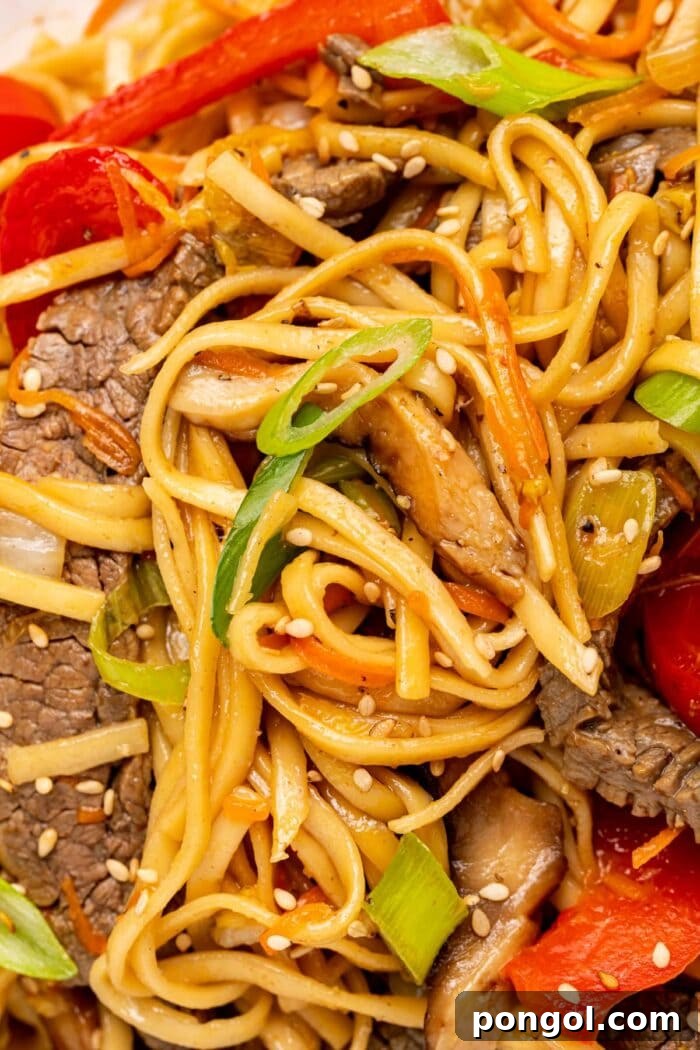
Essential Ingredients for Your Perfect Beef Lo Mein
Crafting exceptional Beef Lo Mein starts with selecting the right components and understanding their role in the dish. Here’s a closer look at the key players that bring this dish to life:
Flank Steak: The Heart of Your Lo Mein
Flank steak is an excellent choice for lo mein due to its lean nature and robust beefy flavor. When prepared correctly, it becomes wonderfully tender, soaking up all the marinade’s deliciousness. The secret to tender flank steak lies in how you slice it: always cut against the grain into 1/4-inch thick strips. Slicing against the grain shortens the muscle fibers, preventing the beef from becoming tough or chewy during the quick stir-frying process. Avoid slicing it too thin, as this can also lead to a less desirable texture. If flank steak isn’t available, sirloin or skirt steak can be suitable alternatives, though you’ll still want to adhere to the “against the grain” slicing rule.
The Perfect Noodles: Lo Mein vs. Other Options
The noodles are, of course, a foundational element of Lo Mein. Traditional lo mein noodles are typically fresh, chewy, and slightly thick, often made from wheat flour and eggs. You can usually find them in the refrigerated section of your grocery store’s Asian aisle, or at a specialty Asian market. Fresh noodles offer the best texture, but dry lo mein noodles also work wonderfully. Just be sure to cook them according to package directions until al dente – you want them tender but still with a slight bite, as they will continue to cook briefly in the wok. If you can’t find specific “lo mein” noodles, good quality spaghetti or linguine can serve as a decent substitute in a pinch.
Soy Sauce: A Foundation of Flavor
Soy sauce is an indispensable ingredient, forming the savory backbone of both the beef marinade and the main sauce. Its rich, umami flavor is characteristic of Asian cuisine. For this recipe, you have a few options: regular soy sauce provides a deep, classic taste; low-sodium soy sauce is excellent for those mindful of their sodium intake without sacrificing flavor; and tamari is a fantastic gluten-free alternative that tastes very similar to traditional soy sauce. Whichever you choose, ensure it’s a brand you enjoy, as its flavor will permeate the entire dish.
Fresh Vegetables: Adding Crunch and Color
The medley of vegetables not only adds vibrant color and essential nutrients but also provides a crucial textural contrast to the soft noodles and tender beef. They are briefly stir-fried to retain their crisp-tender quality:
- Napa Cabbage: This mild, sweet Chinese cabbage is traditional in many lo mein recipes. Its delicate leaves and crunchy white stalks cook down beautifully and absorb the sauce’s flavors wonderfully. Be sure to wash it thoroughly, especially between the leaves, and then shred it into thin strips for quick cooking.
- Carrots & Bell Peppers: Julienne-cut carrots add a touch of sweetness and a lovely orange hue, while red bell peppers contribute a vibrant pop of color and a mild, sweet crunch. These heartier vegetables are typically added first to allow them a bit more cooking time.
- Mushrooms & Green Onions: Sliced mushrooms add an earthy depth and a meaty texture. Green onions are primarily used for garnish, providing a fresh, slightly pungent finish that brightens the entire dish, but some are also incorporated into the stir-fry for added flavor.
The Savory Lo Mein Sauce: A Symphony of Taste
The sauce is what brings everything together, coating each ingredient in a glossy, flavorful embrace. Our sauce is a simple yet potent combination designed for maximum impact:
- Soy Sauce: The primary savory component.
- Mirin: A sweet Japanese rice wine that adds a subtle sweetness and depth, balancing the saltiness of the soy sauce.
- Cornstarch: This is the thickening agent, giving the sauce its signature glossy texture that perfectly clings to the noodles and other ingredients.
- Sesame Oil (Optional but Recommended): A drizzle of toasted sesame oil at the end adds an incredibly aromatic, nutty finish that is quintessential in many Asian dishes.
- Salt & Black Pepper: Basic seasonings to enhance the overall flavor profile.
Mastering the Art of Beef Lo Mein: Expert Tips for Success
Achieving restaurant-quality Beef Lo Mein at home is easier than you think, especially with these insider tips:
- The Power of the Wok (or a Large Skillet): While a traditional wok is ideal for stir-frying due to its high heat retention and wide cooking surface, a large, heavy-bottomed skillet or Dutch oven can work just as well. The key is to maintain a relatively high heat throughout the cooking process. High heat ensures a quick sear on the beef and allows the vegetables to cook rapidly while retaining their crispness, preventing them from becoming soggy.
- Mise en Place is Key: “Mise en place” is a French culinary term meaning “everything in its place.” For stir-fries, this concept is paramount. Have all your beef sliced, vegetables chopped, noodles cooked, and sauce mixed before you even turn on the stove. Stir-frying is a very fast cooking method, and you won’t have time to chop or measure once the cooking begins. This preparation ensures a smooth, stress-free cooking experience.
- Don’t Overcrowd Your Pan: This is a common mistake that leads to steamed, rather than stir-fried, ingredients. When you add too much food to the wok at once, it lowers the temperature of the pan, causing the ingredients to release moisture and steam instead of searing. If you’re cooking a larger batch of beef or vegetables, stir-fry them in smaller batches and set them aside, combining everything at the very end.
- Perfectly Cooked Noodles: Cook your lo mein noodles according to package instructions until they are tender but still firm to the bite (al dente). Rinse them briefly under cold water after draining to prevent them from sticking together. This also stops the cooking process, ensuring they don’t become mushy when tossed with the hot ingredients and sauce.
- Serving and Storing Leftovers: Beef Lo Mein is best enjoyed immediately after cooking, when the noodles are perfectly coated and the vegetables are at their crisp-tender peak. The steaming hot bowl is truly a delight! However, if you happen to have leftovers, they store well in an airtight container in the refrigerator for up to three days. Reheat gently on the stovetop or in the microwave, adding a splash of water or broth if the noodles seem a bit dry.
How to Make Homemade Beef Lo Mein: Step-by-Step Guide
Prep time: 20 minutes
Cook time: 15 minutes
Total time: 35 minutes
Servings: 4
Equipment:
- Small bowls (2)
- Large wok or skillet
Ingredients:
Main:
- 1 pound lo mein noodles
For the Beef:
- ½ pound flank steak, sliced into 1/4-inch strips against the grain
- 1 tablespoon soy sauce
- 2 garlic cloves, minced
- 1 tablespoon vegetable oil
For the Sauce:
- ¼ cup soy sauce
- 1 tablespoon mirin
- 3 teaspoons cornstarch
- 1 teaspoon sesame oil (optional)
- ½ teaspoon salt
- ½ teaspoon black pepper
For the Vegetables:
- 1 tablespoon vegetable oil
- 1 cup carrots, julienned
- 1 red bell pepper, julienned
- 1 cup mushrooms, sliced
- 2 cups napa cabbage, shredded
- 3 tablespoons green onions, sliced
Instructions:
-
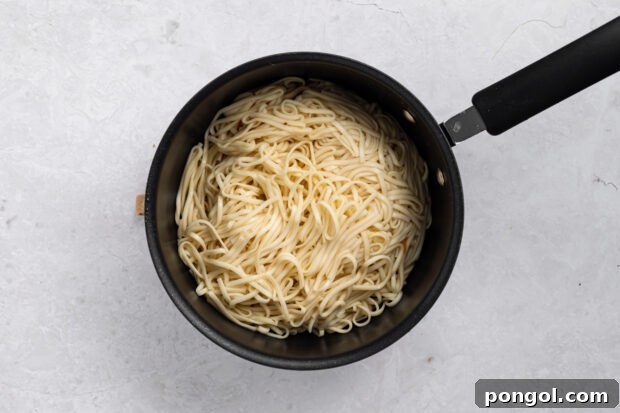
Prepare Noodles: Cook lo mein noodles according to package instructions until al dente. Drain well, rinse briefly with cold water to prevent sticking, then set aside in a large bowl.

-
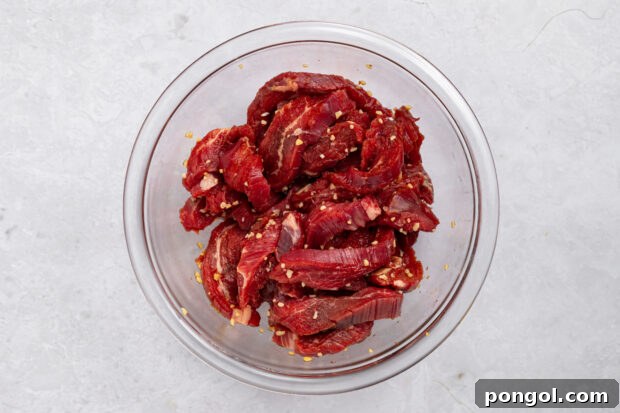
Marinate Beef: In a small bowl, combine the sliced flank steak, 1 tablespoon soy sauce, and minced garlic. Toss to coat the beef evenly and set aside to marinate while you prepare the remaining ingredients.
-
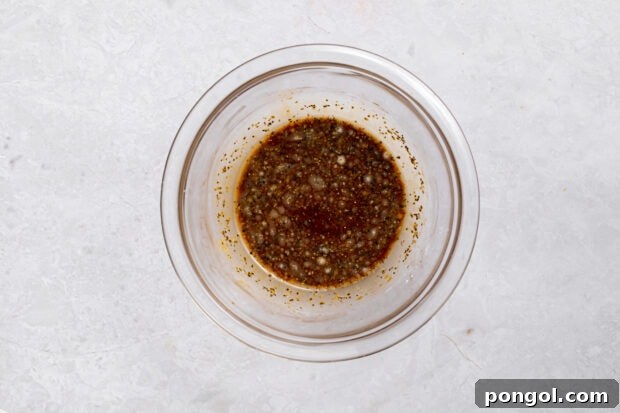
Whisk the Sauce: In a second small bowl, whisk together ¼ cup soy sauce, mirin, cornstarch, optional sesame oil, salt, and black pepper until completely smooth. Set this sauce mixture aside.
-
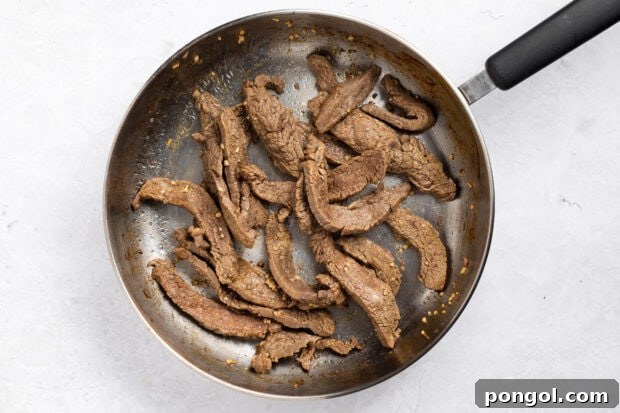
Cook the Beef: Heat 1 tablespoon vegetable oil in a large wok or skillet over high heat until it shimmers and is almost smoking. Add the marinated beef in a single layer (cook in batches if necessary to avoid overcrowding). Stir-fry for 3-5 minutes, or until the beef is nicely browned and no longer pink. Transfer the cooked beef to a clean plate and set aside.
-
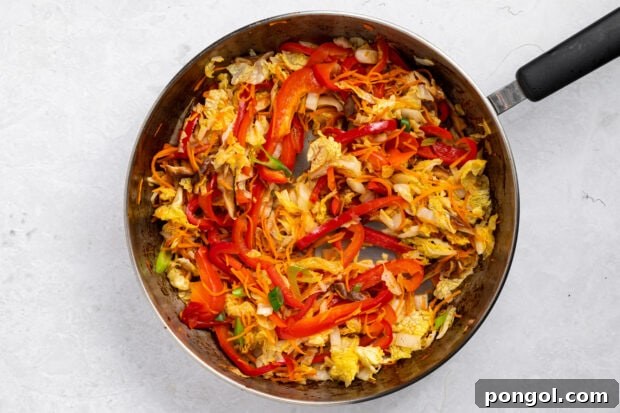
Stir-Fry Vegetables: Add the remaining 1 tablespoon vegetable oil to the same wok or skillet. Add the julienned carrots, red bell pepper, and sliced mushrooms. Stir-fry for 4 minutes until they begin to soften slightly. Then, add the shredded napa cabbage and sliced green onions, and continue to cook for an additional 2 minutes, ensuring the vegetables remain crisp-tender.
-
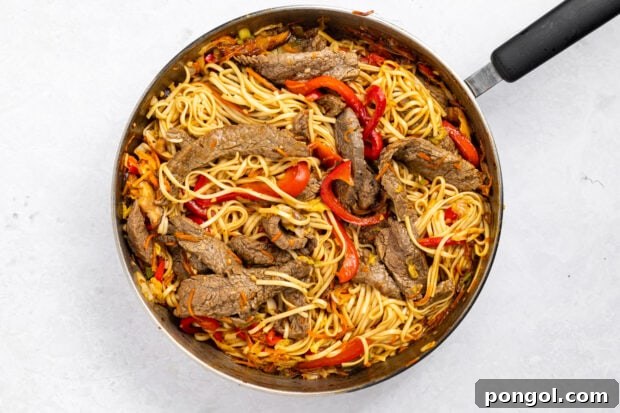
Combine and Finish: Return the cooked beef to the skillet with the stir-fried vegetables. Add the cooked lo mein noodles and pour the prepared sauce mixture over everything. Toss vigorously with tongs to combine all ingredients, ensuring the noodles and vegetables are thoroughly coated with the sauce. Continue to cook for 1-2 minutes, or until the sauce has thickened and beautifully coats all elements of the dish. Serve immediately and enjoy!
Variations & Dietary Adjustments for Your Lo Mein
This Beef Lo Mein recipe is wonderfully adaptable! Feel free to customize it to your taste preferences or dietary needs:
- Gluten-Free Beef Lo Mein: To make this dish gluten-free, simply swap regular soy sauce for tamari (a gluten-free soy sauce alternative). For the noodles, use gluten-free spaghetti, rice noodles, or even zucchini noodles for a lower-carb option.
- Vegetarian & Vegan Options: Easily transform this into a delightful vegetable lo mein. Omit the flank steak and add an extra cup of sliced mushrooms, or incorporate firm tofu (pressed and cubed, then pan-fried until golden) or tempeh for plant-based protein. Ensure your soy sauce is vegan-friendly if needed.
- Protein Alternatives: Not a fan of beef? This recipe works beautifully with other proteins. Try sliced chicken breast or thighs, shrimp, or even pork tenderloin. Adjust cooking times as necessary for your chosen protein.
- Amp Up the Veggies: Feel free to add more of your favorite vegetables! Broccoli florets, snap peas, snow peas, bok choy, or water chestnuts would all be excellent additions, providing more crunch and nutrients.
- Spice It Up: If you enjoy a kick, add a dash of red pepper flakes to the sauce, or garnish with a drizzle of chili oil before serving. A touch of Sriracha can also be mixed into the sauce for a bolder flavor.
Frequently Asked Questions About Lo Mein
- What’s the difference between Lo Mein and Chow Mein?
- The primary difference lies in the noodle preparation. Lo Mein noodles are typically boiled until soft and then tossed with the other ingredients and sauce. Chow Mein noodles, on the other hand, are often stir-fried or pan-fried until crispy, creating a different texture profile.
- Can I prepare Lo Mein ahead of time?
- While best enjoyed fresh, you can prepare certain components ahead of time to make dinner even quicker. Slice your beef and vegetables, mix your sauce, and even pre-cook your noodles. Store everything separately in the refrigerator. When ready to eat, simply combine and stir-fry as instructed. Cooked leftovers can be stored for up to 3 days in an airtight container.
- What can I serve with Beef Lo Mein?
- Beef Lo Mein is a complete meal on its own, but it pairs wonderfully with light appetizers or side dishes. Consider serving it with spring rolls, crab rangoon, steamed dumplings, or a simple cucumber salad for a balanced and satisfying Asian-inspired feast.
Nutritional Information (Approximate per Serving)
This recipe yields approximately 4 servings. The nutritional values provided below are general guidelines and reflect information for one serving (out of 4) based on the ingredients listed. Please note that actual macros may vary slightly depending on the specific brands and types of ingredients you use.
- Serving Size: 1 serving
- Calories: 593 kcal
- Protein: 26 g
- Fat: 13 g
- Saturated Fat: 7 g
- Cholesterol: 34 mg
- Sodium: 1788 mg
- Potassium: 587 mg
- Total Carbohydrates: 93 g
- Fiber: 5 g
- Sugar: 5 g
- Net Carbs: 88 g
- Vitamin A: 6445 IU
- Vitamin C: 52 mg
- Calcium: 66 mg
- Iron: 2 mg
To accurately determine the weight of one serving for precise portion control, prepare the recipe as instructed. Weigh the entire finished dish (excluding the container’s weight), then divide this total weight by the desired number of servings (e.g., 4). The result will be the weight of a single serving.
More Delicious Beef Recipes to Explore
If you loved this Beef Lo Mein, you’re in for a treat! Here are more fantastic beef recipes to inspire your next meal:
- Shredded Beef
- Whole30 Chipotle Beef & Avocado Bowls
- Instant Pot Beef with Peppers
- Whole 30 Beef Stroganoff
- Beef Pad Thai
We absolutely love seeing your culinary creations! If you tried this homemade Beef Lo Mein recipe, we encourage you to share your experience. Tag @40aprons on Instagram with your photos and be sure to leave a review on this blog post. Your feedback helps us and other home cooks!
Recipe By: Sam Guarnieri