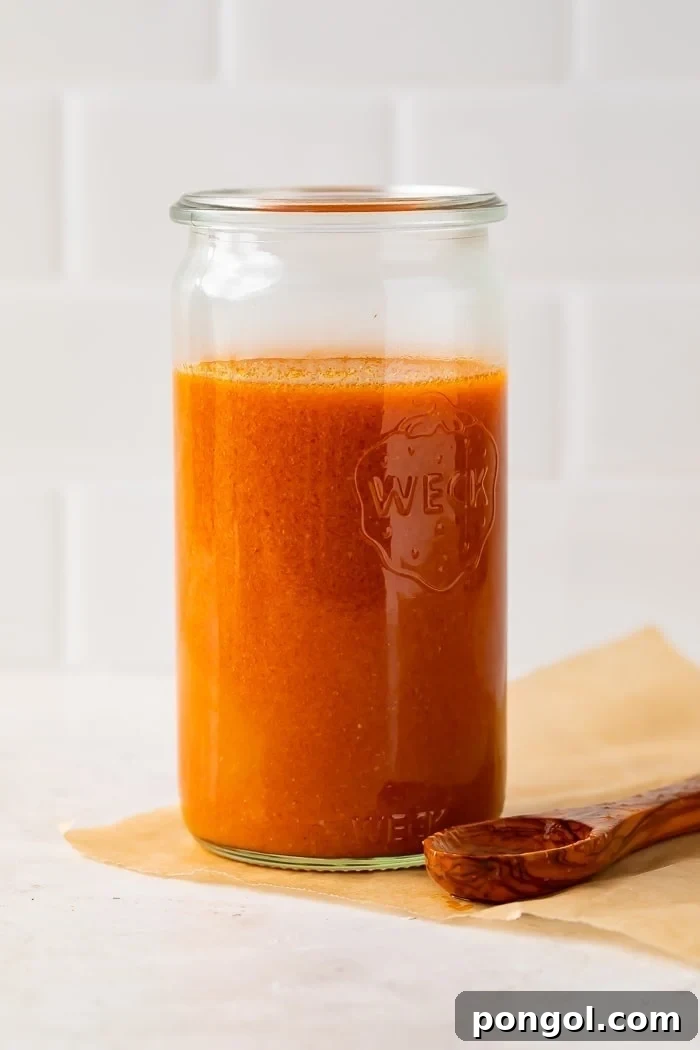
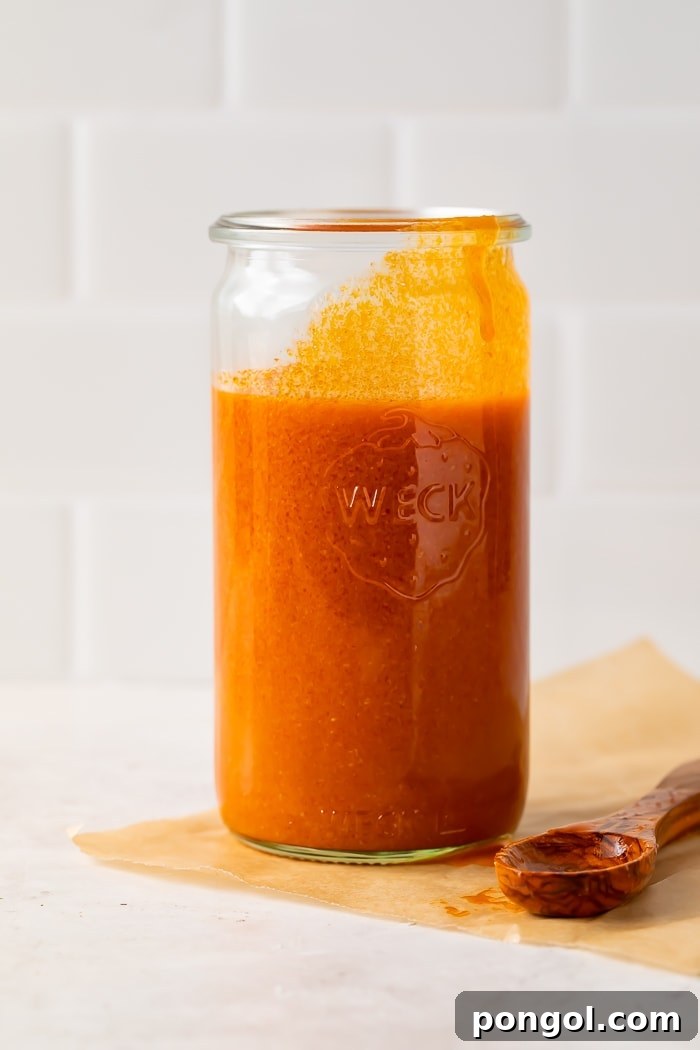
Get ready to elevate your culinary game with the ultimate homemade buffalo sauce recipe! If you’ve been searching for that authentic, restaurant-quality spicy kick, look no further. This incredibly easy-to-make buffalo sauce is a game-changer, bursting with the classic tangy, buttery, and fiery flavor that has captivated taste buds for decades. Perfect for slathering on chicken wings, stirring into creamy dips, drizzling over crisp salads, or bringing a vibrant zest to countless other dishes, this versatile condiment is about to become your new kitchen staple.
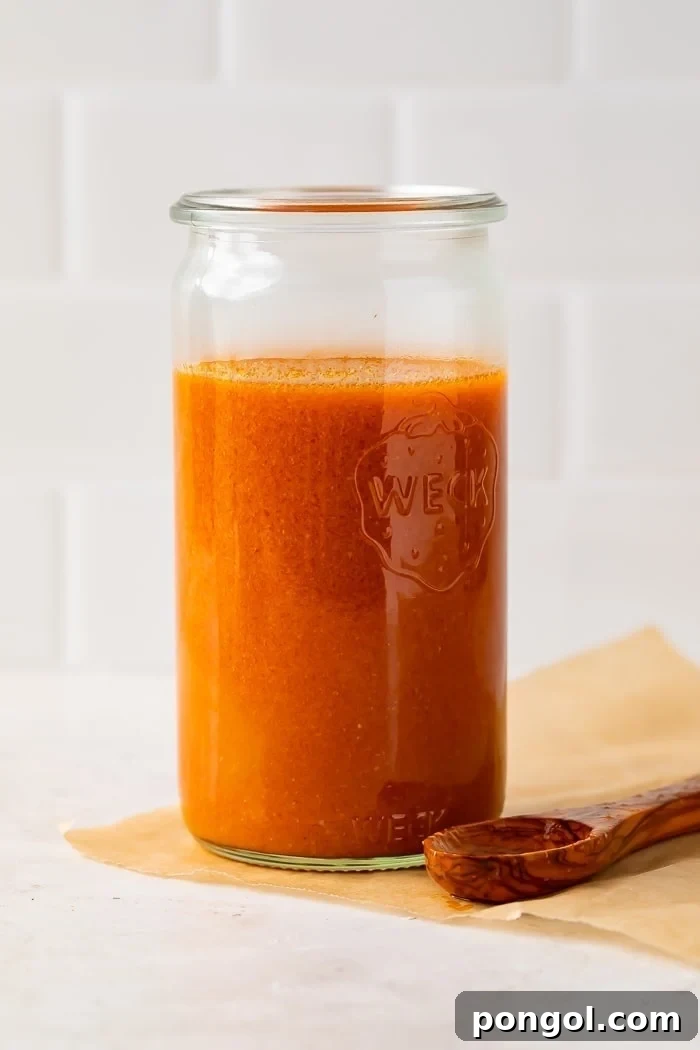
Far beyond its legendary association with chicken wings, classic spicy, tangy, and tart buffalo sauce is a truly universal condiment. Its unique flavor profile, a masterful blend of heat, acidity, and rich butter, makes it an indispensable addition to any food lover’s repertoire. Named after its birthplace, Buffalo, New York, this iconic sauce embodies a perfect balance of bold flavors. What’s even better? This super easy recipe makes it effortlessly customizable, ensuring that whether you’re following a vegan, vegetarian, Whole30, or paleo diet, you can still enjoy this deliciously fiery sauce.
What is Buffalo Sauce, and Why is it So Popular?
Buffalo sauce is more than just hot sauce; it’s a culinary icon. Originating in Buffalo, New York, in the mid-20th century, this sauce quickly rose to fame as the quintessential accompaniment to chicken wings. Its enduring popularity stems from its distinctive flavor profile: a harmonious blend of fiery heat, bright tanginess, and luxurious richness. Unlike many pure hot sauces that focus solely on spice, buffalo sauce introduces a creamy, buttery element that mellows the heat, adds depth, and coats food beautifully, creating an irresistibly satisfying experience.
The secret lies in the emulsification of hot sauce and butter, creating a smooth, velvety texture that clings perfectly to whatever it graces. This makes it incredibly versatile, moving beyond wings to become a beloved ingredient in everything from dips and sandwiches to roasted vegetables and even breakfast dishes. Its bold character adds excitement and flavor without overwhelming the palate, making it a crowd-pleaser for both casual weeknight dinners and game-day feasts.
The Key Ingredients for Authentic Buffalo Sauce
Crafting the perfect buffalo sauce starts with understanding the role of each ingredient. Our recipe uses a handful of simple components that, when combined, create that unmistakable spicy, tangy, and rich flavor profile you crave. Each element contributes something vital to the overall balance and deliciousness of the sauce.
Hot Pepper Sauce (The Fiery Base)
The foundation of any great buffalo sauce is a vinegar-based cayenne pepper hot sauce. Brands like Frank’s RedHot® are often cited as the classic choice, and for good reason. Its distinctive blend of aged cayenne peppers and vinegar provides the essential heat and tartness. Unlike other chili sauces, cayenne pepper sauce offers a bright, clean heat that doesn’t overpower the other flavors but rather complements them, setting the stage for the sauce’s iconic zest. It’s the vinegar in this sauce that kickstarts the tanginess characteristic of buffalo sauce.
Unsalted Butter (The Creamy Richness)
Butter is the unsung hero of buffalo sauce, transforming a simple hot sauce into a rich, velvety condiment. It’s not just about adding fat; butter performs several crucial functions. Firstly, it mellows the intense heat of the cayenne pepper, making the sauce more palatable and enjoyable for a wider audience. Secondly, it adds a luxurious creaminess and body, giving the sauce its characteristic smooth texture. Thirdly, the butter helps to emulsify the ingredients, preventing separation and ensuring a consistent, delicious flavor in every bite. Using unsalted butter is key, as it gives you complete control over the final sodium level of your sauce.
White Vinegar (The Tangy Kick)
While the hot sauce provides some acidity, an additional splash of white vinegar is crucial for achieving the classic, vibrant tang of buffalo sauce. This extra acidity brightens the flavors, cuts through the richness of the butter, and adds a refreshing tartness that makes the sauce so addictive. It’s a small but mighty ingredient that ensures a perfectly balanced flavor profile, preventing the sauce from tasting overly heavy or one-note.
Worcestershire Sauce (The Umami Depth)
For an authentic, savory depth, Worcestershire sauce is a vital component. This complex condiment brings a unique blend of flavors, including notes of anchovies (yes, anchovies!), molasses, malt vinegar, tamarind, and various spices. It contributes a rich umami character and a subtle tang that rounds out the sauce, adding layers of savory complexity without being overtly fishy. For those with dietary restrictions or preferences, it’s worth noting that vegan and vegetarian alternatives are available, or it can be omitted entirely.
Garlic Powder (Aromatic Enhancement)
A touch of garlic powder might seem minor, but it’s an essential flavor enhancer. It introduces a subtle, aromatic warmth and depth that complements the spicy and tangy notes without overpowering them. Garlic powder blends seamlessly into the sauce, providing a consistent flavor that fresh garlic might not achieve without additional cooking steps. It’s the perfect finish to bring all the flavors together.
Effortless Preparation: How to Make This Easy Buffalo Sauce
You’ll be amazed at how quickly and simply you can whip up a batch of this incredible buffalo sauce. With just a few minutes on the stove, you can transform simple ingredients into a rich, flavorful condiment that will impress everyone. Follow these straightforward steps for perfect results every time.

Cheryl Malik
Homemade Buffalo Sauce
2 minutes
5 minutes
7 minutes

Cheryl Malik
Ingredients
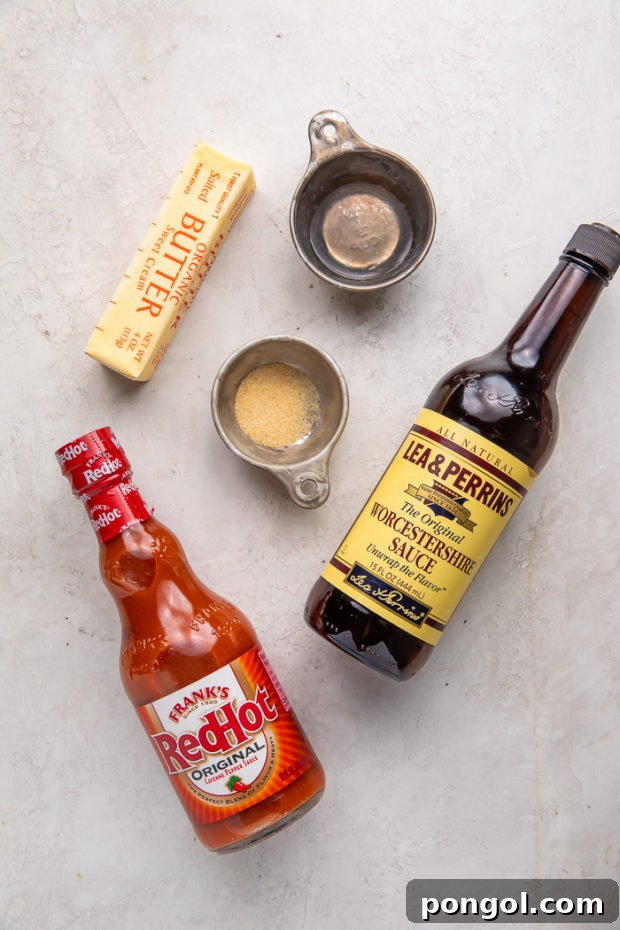
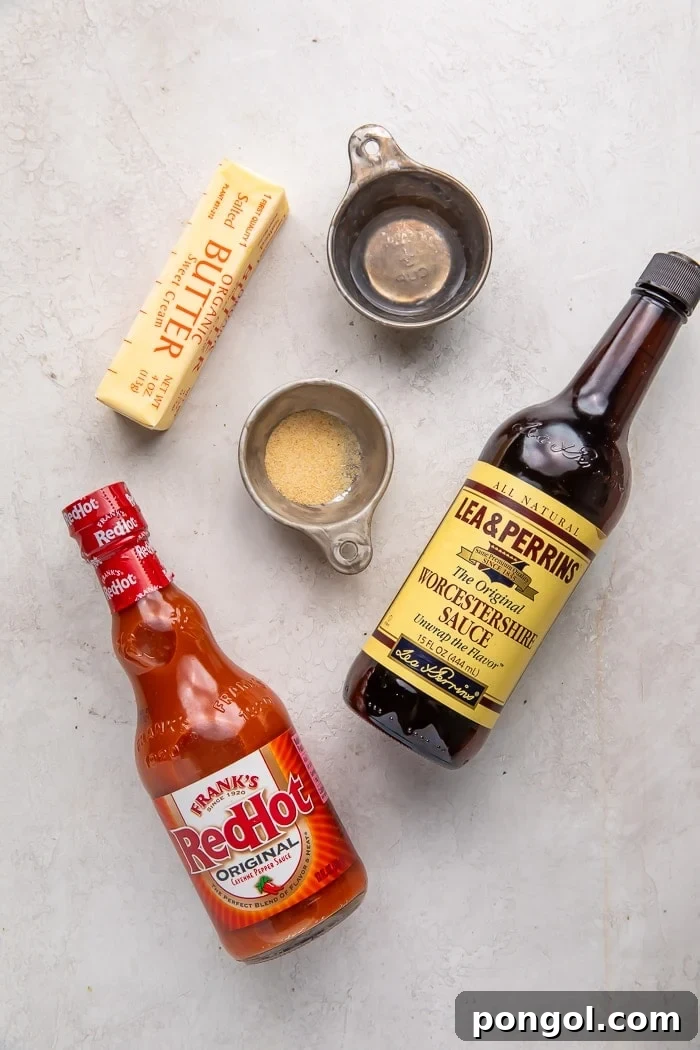
- ⅔ cup hot pepper sauce (like Frank’s RedHot®)
- ½ cup unsalted butter, cold
- 1 ½ tablespoons white vinegar
- 1 teaspoon Worcestershire sauce
- ½ teaspoon garlic powder
Instructions
-
Combine all ingredients (hot pepper sauce, cold unsalted butter, white vinegar, Worcestershire sauce, and garlic powder) in a medium-sized pot. Place the pot on the stove over medium heat.

-
Bring the mixture to a gentle simmer, continuously whisking until all ingredients are well combined and the butter has fully melted and incorporated into the sauce. Whisking is crucial for creating a smooth, emulsified sauce.
-
Once the sauce is smooth and thoroughly combined, remove it from the heat. Allow it to cool slightly before transferring to an airtight container. Store the homemade buffalo sauce in the refrigerator for up to one month.
Chef’s Notes on Dietary Adaptations:
- Vegetarian: Omit Worcestershire sauce.
- Vegan: Omit Worcestershire sauce and use vegan butter (1:1 ratio).
- Whole30/Paleo: Use coconut aminos instead of Worcestershire sauce and use 1/2 cup of ghee instead of butter.
Recipe yields approximately 10 servings. Actual number of servings will depend on your preferred portion sizes.
Nutritional values shown are general guidelines and reflect information for 1 serving using the ingredients listed. Actual macros may vary slightly depending on specific brands and types of ingredients used.
To determine the weight of one serving, prepare the recipe as instructed. Weigh the finished recipe, then divide the weight of the finished recipe (not including the weight of the container the food is in) by 10. Result will be the weight of one serving.
Approximate Nutritional Information for One Serving
Serving Size: 1 serving
- Calories: 85 cal
- Protein: 1 g
- Fat: 9 g
- Saturated Fat: 6 g
- Trans Fat: 1 g
- Cholesterol: 24 mg
- Sodium: 430 mg
- Potassium: 32 mg
- Total Carbs: 1 g
- Fiber: 1 g
- Sugar: 1 g
- Net Carbs: 0 g
- Vitamin A: 310 IU
- Vitamin C: 12 mg
- Calcium: 5 mg
- Iron: 1 mg
Nutrition Disclaimers
Number of total servings shown is approximate. Actual number of servings will depend on your preferred portion sizes.
Nutritional values shown are general guidelines and reflect information for 1 serving using the ingredients listed, not including any optional ingredients. Actual macros may vary slightly depending on specific brands and types of ingredients used.
To determine the weight of one serving, prepare the recipe as instructed. Weigh the finished recipe, then divide the weight of the finished recipe (not including the weight of the container the food is in) by the desired number of servings. Result will be the weight of one serving.
-
Ingredients prepped for making the perfect buffalo sauce. -
Whisking the sauce to a smooth, emulsified consistency.
Chef’s Tips and Dietary Adaptations
This buffalo sauce recipe is wonderfully adaptable, making it accessible for various dietary needs without sacrificing flavor. here are some expert tips to customize your sauce:
- **For Vegetarian:** The simplest modification is to omit the Worcestershire sauce, as traditional versions contain anchovies. You can find vegan Worcestershire sauces as an alternative, or simply leave it out; the sauce will still be delicious.
- **For Vegan:** To make this recipe completely plant-based, first, omit the Worcestershire sauce. Then, substitute regular unsalted butter with an equal amount (½ cup) of high-quality vegan butter. Ensure your hot sauce is also vegan-friendly (most cayenne pepper sauces like Frank’s RedHot are).
- **For Whole30 or Paleo:** For these dietary protocols, you’ll need to make a couple of substitutions. Replace the Worcestershire sauce with coconut aminos, which offer a similar savory, umami depth without added sugar or soy. Instead of butter, use ½ cup of ghee (clarified butter), which is compliant with both Whole30 and paleo guidelines and provides that rich, buttery flavor.
- **Adjusting the Spice Level:** If you prefer a milder sauce, you can slightly reduce the amount of hot pepper sauce or increase the butter slightly. For an extra spicy kick, a pinch of cayenne pepper powder can be added to the mixture.
Creative Ways to Enjoy Your Homemade Buffalo Sauce
While buffalo sauce is synonymous with chicken wings, its versatility extends far beyond. Don’t limit yourself! This tangy, spicy, and rich condiment can elevate a myriad of dishes, transforming everyday meals into exciting culinary experiences. Here are some of our favorite ways to incorporate this homemade goodness:
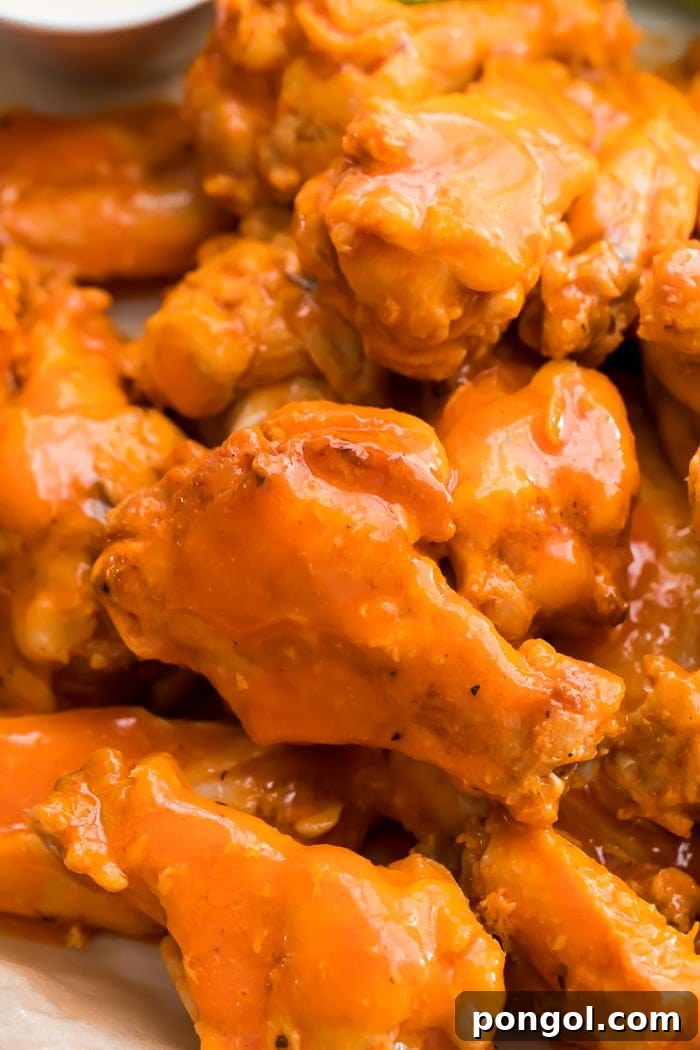
- **Classic Chicken Wings:** Whether fried, baked, or air-fried, toss your wings generously in this sauce for an unforgettable game-day treat or party appetizer.
- **Buffalo Chicken Dip:** A perennial crowd-pleaser! Mix shredded chicken, cream cheese, ranch dressing, and a generous amount of this buffalo sauce, then bake until bubbly and serve with tortilla chips or celery sticks.
- **Spicy Salads:** Drizzle it over your favorite green salad, or mix it into a chicken or chickpea salad for a fiery dressing. Try a Buffalo Chicken Salad with crisp lettuce, carrots, celery, and a blue cheese crumble.
- **Sandwiches and Wraps:** Add a zing to turkey or chicken sandwiches, or use it to spice up a veggie wrap. It’s fantastic on a grilled chicken sandwich with a cool ranch or blue cheese spread.
- **Roasted Vegetables:** Toss cauliflower florets, Brussels sprouts, or sweet potato cubes with buffalo sauce before roasting for a flavorful side dish that even veggie skeptics will love.
- **Eggs and Breakfast Dishes:** A surprising but delicious addition! A dash of buffalo sauce can perk up scrambled eggs, omelets, or even a breakfast burrito.
- **Buffalo Chicken Ranch Whole30 Meal Prep:** Prepare a hearty, compliant meal by combining buffalo chicken with roasted vegetables and a creamy ranch dressing for easy weekly meals.
- **Healthy Creamy Buffalo Chicken Stuffed Sweet Potatoes:** Stuff baked sweet potatoes with a mix of buffalo chicken and ranch for a wholesome, satisfying, Whole30 and Paleo-friendly meal.
- **Paleo Buffalo Chicken Casserole with Ranch and Cauliflower Rice:** A low-carb, Whole30 alternative for a comforting and flavorful dinner.
- **Buffalo Chicken Meatballs:** Bake or simmer meatballs in this sauce for a delicious appetizer or main course.
Storing and Reheating Your Homemade Buffalo Sauce
Proper storage is key to enjoying your homemade buffalo sauce for as long as possible. Once prepared, allow the sauce to cool completely before transferring it to an airtight container. A glass jar with a tight-fitting lid is ideal. Store it in the refrigerator, where it will maintain its peak freshness and flavor for up to one month. This makes it perfect for meal prepping or having a delicious condiment ready on demand.
When you’re ready to use your stored buffalo sauce, gently reheat it on the stovetop over low to medium heat, whisking frequently. This will help re-emulsify any butter that may have separated during refrigeration and restore its smooth consistency. Avoid high heat, as it can cause the sauce to break. If it appears a little thick after chilling, a tablespoon or two of water or a neutral-flavored oil can be whisked in while reheating to achieve your desired consistency.
Frequently Asked Questions (FAQ) About Buffalo Sauce
- What is the difference between hot sauce and buffalo sauce?
- While both are spicy, hot sauce is typically just a blend of chili peppers, vinegar, and salt. Buffalo sauce, however, is a specific preparation that combines hot sauce (usually a cayenne pepper-based one like Frank’s RedHot) with melted butter and often other ingredients like vinegar and Worcestershire sauce. The butter mellows the heat and adds a creamy, rich texture, making buffalo sauce distinctively tangy and rich, not just hot.
- Can I make this buffalo sauce less spicy?
- Absolutely! To reduce the heat, you can decrease the amount of hot pepper sauce and/or increase the amount of butter slightly. Another trick is to add a small amount of honey or maple syrup to balance the heat, though this would change the traditional flavor profile and dietary compliance (e.g., Whole30).
- Can I freeze homemade buffalo sauce?
- Yes, you can! While refrigeration is typically preferred for freshness, buffalo sauce can be frozen for up to 3-4 months. Store it in freezer-safe containers or ice cube trays for individual portions. Thaw in the refrigerator overnight and reheat gently on the stovetop, whisking well to re-emulsify.
- Why did my buffalo sauce separate?
- Separation often occurs if the sauce gets too hot, the butter is added too quickly, or it cools too fast. The key to preventing separation is to heat the ingredients gently over medium heat and whisk continuously until the butter is fully melted and emulsified. If it separates during reheating, try whisking it vigorously over low heat, or add a tiny bit more melted butter or hot sauce while whisking.
- What is the best hot sauce to use for buffalo sauce?
- Frank’s RedHot Original Cayenne Pepper Sauce is widely considered the quintessential hot sauce for authentic buffalo sauce due to its balanced heat and distinct vinegar tang. However, any similar cayenne pepper-based hot sauce will work well.
More Delicious Condiment and Sauce Recipes to Explore
If you love making your own sauces from scratch, you’re in for a treat! Discover other fantastic recipes to enhance your meals and expand your culinary repertoire:
- Healthy Soy Sauce Substitute Recipe (Whole30, Paleo)
- One Minute Whole30 Mayo (Made with Immersion Blender)
- Whole30 Ketchup Recipe (No Dates, Paleo, Vegan)
- Homemade Taco Sauce
- Mango Habanero Sauce
Did You Make This Authentic Buffalo Sauce?
We absolutely love seeing your culinary creations! If you tried this recipe, please share your experience.
Tag @40Aprons on Instagram
Your reviews and tags help us share the joy of homemade cooking with more people!